

“A practical guide to help EU buyers reduce risk, avoid costly errors, and improve sourcing results.”
Introduction
Sourcing winter garments may seem straightforward—but in reality, many EU buyers face unexpected challenges.
Even experienced buyers can encounter:
- Quality inconsistencies
- Delays
- Cost overruns
Most of these issues are not caused by factories alone—but by common mistakes in the sourcing process.
In this blog, we will highlight the most frequent mistakes—and how to avoid them.
1. Incomplete Tech Pack


A weak or incomplete tech pack leads to confusion.
Missing details may include:
- Fabric specification
- Measurements
- Construction details
Result:
Final product does not match expectations.
Solution:
Ensure your tech pack is clear, detailed, and complete before production.
2. Choosing Supplier Based Only on Price
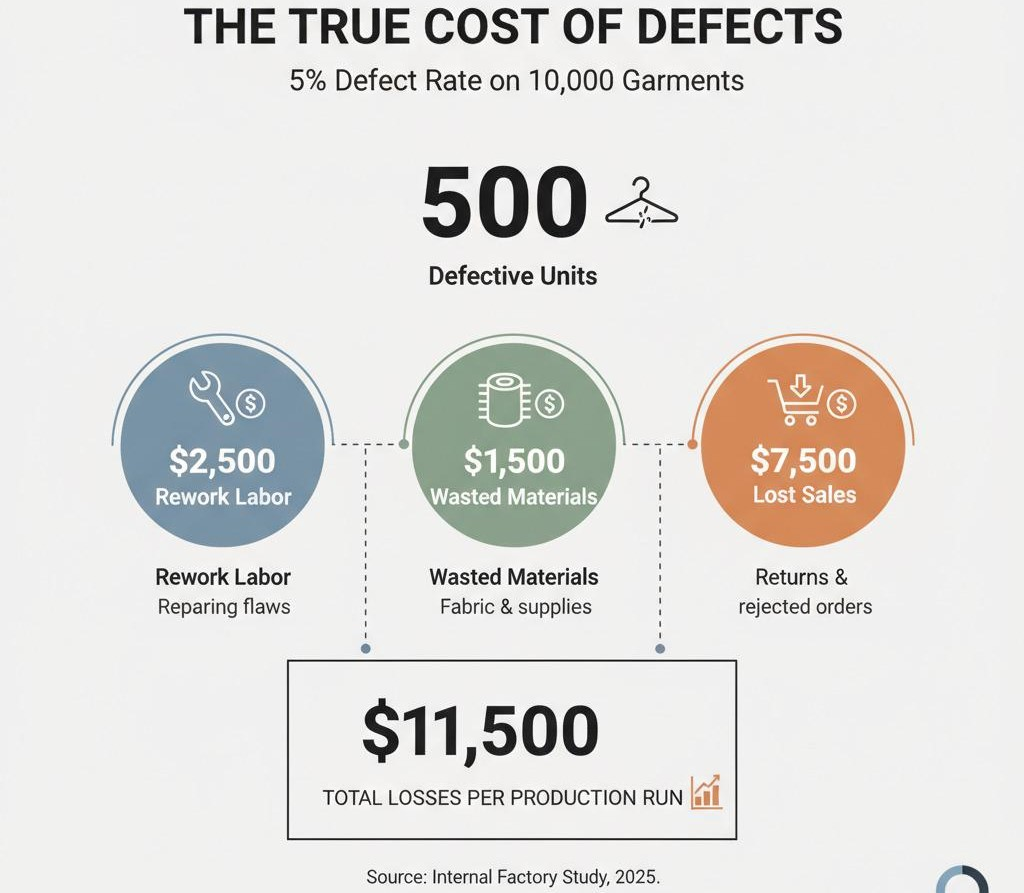
Low price can be attractive—but risky.
Often results in:
- Lower fabric quality
- Poor finishing
- Inconsistent production
Solution:
Evaluate suppliers based on quality, capability, and reliability—not price alone
3. Skipping Proper Sampling Process

Rushing sampling is a common mistake.
Buyers sometimes:
- Approve samples too quickly
- Skip detailed testing
Result:
Bulk production issues
Solution:
Treat sampling as a technical validation stage, not just visual approval.
4. Ignoring Fabric Testing

Fabric issues are one of the biggest risks.
Common problems:
- Shrinkage
- Color fading
- Pilling
Solution:
Always conduct fabric testing before bulk production.
5. No Inline Quality Control

Many buyers rely only on final inspection.
Result:
Problems are detected too late
Solution:
Use inline inspections to identify issues early.
6. Poor Communication with Supplier

Lack of clear communication leads to:
- Delays
- Errors
- Misunderstandings
Solution:
Maintain regular, structured communication throughout production.
7. Ignoring Packaging & Labeling Requirements
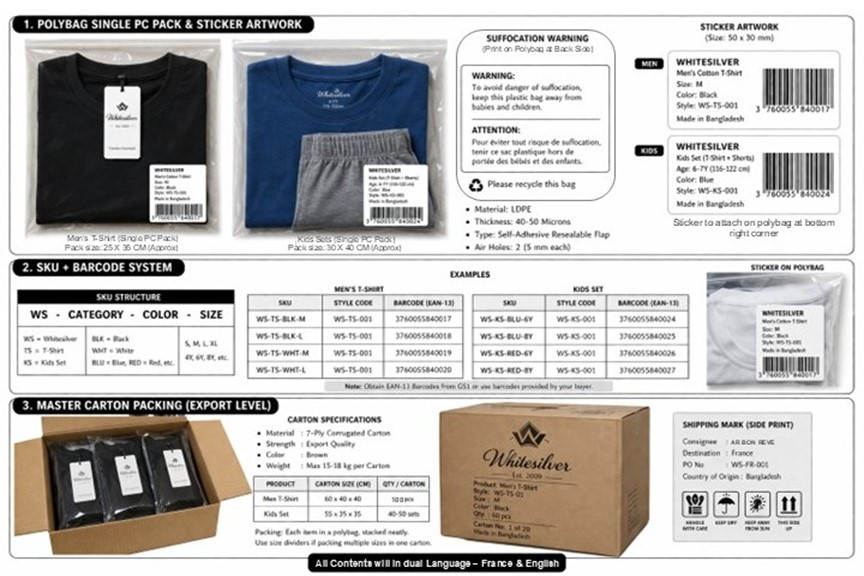
Small mistakes can cause big problems.
Examples:
- Wrong labels
- Incorrect carton packing
Result:
Customs delays or retail rejection
Solution:
Double-check all packing and labeling details before shipment.
8. Unrealistic Timeline Expectations

Tight deadlines can affect:
- Quality
- Production stability
Solution:
Plan realistic timelines, especially for winter collections.
9. Lack of Production Monitoring

Without monitoring:
- Issues go unnoticed
- Quality becomes inconsistent
Solution:
Ensure production is properly supervised.
Practical Insight:
In many sourcing programs managed by Whitesilver, structured monitoring significantly improves production outcomes.
Final Thoughts
Most sourcing problems are preventable.
By avoiding these common mistakes, EU buyers can:
- Reduce risk
- Improve product quality
- Build stronger supplier relationships
Successful sourcing is not about luck—it’s about process, control, and informed decisions.
What’s Coming Next
In the next blog, we will explore:
How Whitesilver Supports EU Buyers: From Sourcing to Shipment (Real Workflow)
This will give a complete picture of how structured sourcing works in practice.
About Whitesilver
Whitesilver supports EU buyers by identifying risks early, managing production effectively, and ensuring smooth execution from sourcing to shipment.