
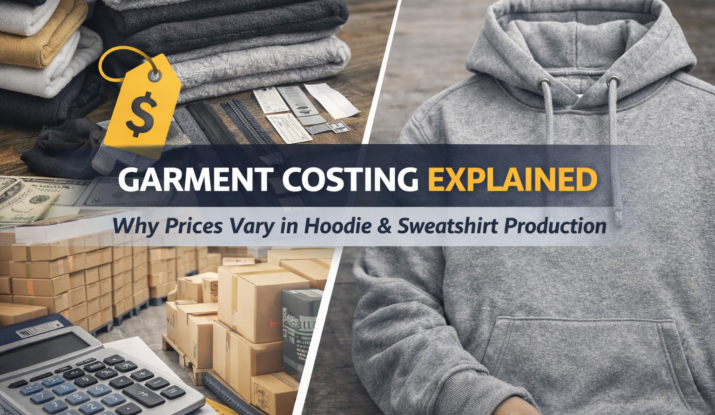
“A practical guide for EU buyers to understand garment pricing and avoid costly sourcing mistakes.”
Introduction
One of the most common questions in garment sourcing is:
“Why do prices vary so much for the same product?”
Two suppliers may quote very different prices for a similar hoodie—but the difference is not random.
Garment costing depends on multiple factors:
- Fabric
- Construction
- Quantity
- Quality control
- Logistics
For EU buyers, understanding costing is essential to:
- Avoid overpaying
- Prevent quality compromise
- Make better sourcing decisions
1. Fabric Cost (The Largest Component)
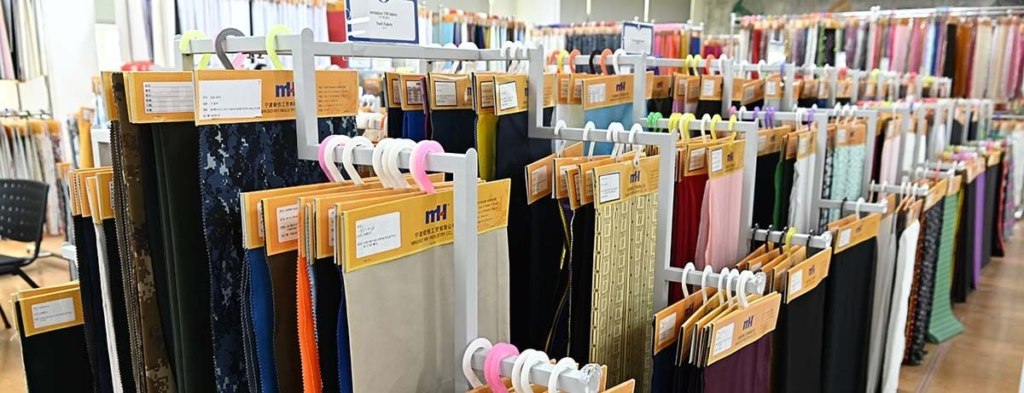
Fabric is typically the biggest cost element in garment production.
It depends on:
- Fabric type (cotton, poly, blend)
- GSM (weight)
- Yarn quality
- Dyeing and finishing
Higher GSM and better yarn = higher cost
Practical Insight:
In most winter garments, fabric alone can represent 50–70% of total cost.
2. Accessories & Trims
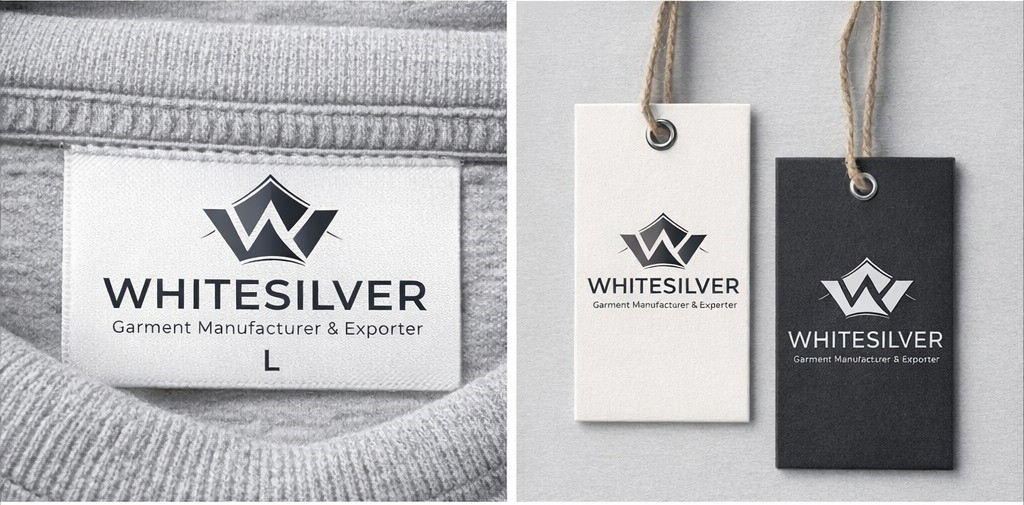
Small components also add up:
- Zippers
- Drawstrings
- Labels & tags
- Buttons / eyelets
Common Mistake:
Ignoring trim quality when comparing prices.
Practical Insight:
Low-cost trims often reduce durability and affect brand perception.
3. Manufacturing Cost (Cutting, Sewing, Finishing)

This includes:
- Cutting
- Sewing
- Finishing
Cost depends on:
- Product complexity
- Number of operations
- Labor efficiency
A simple sweatshirt costs less than a complex jacket.
Practical Insight:
Better factories may charge more—but often deliver more consistent quality.
4. Printing & Embroidery Cost

If your product includes design elements:
- Screen printing
- Embroidery
- Heat transfer
Cost depends on:
- Design size
- Number of colors
- Placement
Common Mistake:
Underestimating decoration cost in initial planning.
5. Quantity (MOQ Impact)

Quantity has a direct impact on price.
- Higher quantity → lower unit cost
- Lower quantity → higher unit cost
Because fixed costs are spread across units
Practical Insight:
MOQ (Minimum Order Quantity) plays a major role in pricing structure.
6. Quality Control & Compliance Cost
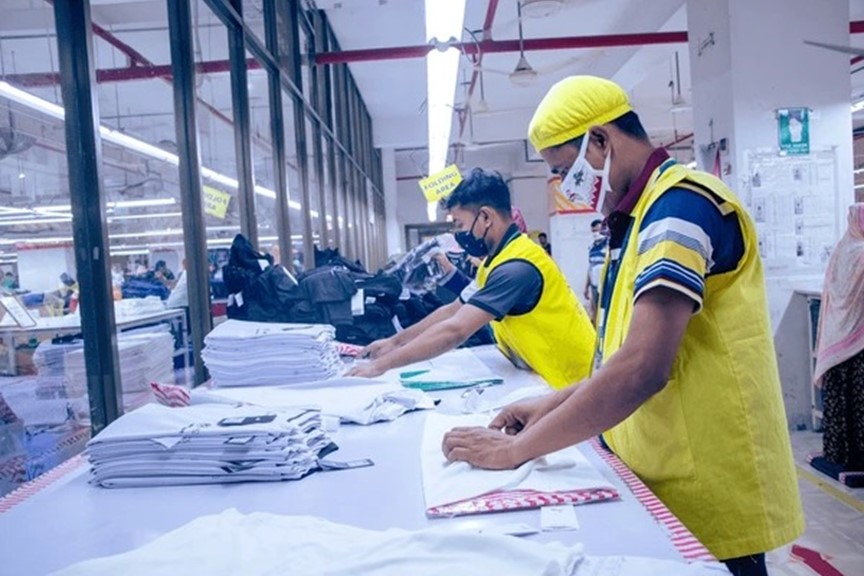
Quality control and compliance also affect cost:
- Inspections
- Testing
- Certifications
These add cost—but reduce risk
Practical Insight:
In EU markets, compliance is not optional—it is part of professional sourcing.
7. Packaging & Logistics


Final costs include:
- Packing materials
- Cartons
- Labeling
- Freight
Common Mistake:
Comparing prices without considering shipment terms (FOB vs CIF).
8. Why Price Differences Happen

Two suppliers may quote differently because of:
- Fabric quality differences
- Production standards
- QC level
- Compliance requirements
Lower price often means compromises somewhere.
Practical Insight:
In many sourcing cases, the cheapest option leads to higher long-term costs due to quality issues.
Final Thoughts
Garment pricing is not just a number—it reflects the entire production process.
For EU buyers, the goal should not be:
The lowest price
But:
The right balance between cost, quality, and reliability
Understanding costing helps you:
- Make better decisions
- Avoid hidden risks
- Build stronger supplier relationships
What’s Coming Next
In the next blog, we will explore:
Private Label Clothing: How EU Brands Build Their Winter Collection
This will help buyers understand how to develop their own brand successfully.
About Whitesilver
Whitesilver supports EU buyers with transparent costing, sourcing, and production management—ensuring the right balance between quality, price, and reliability for winter garment programs.